
Last updated: September 2026.
Since January 2025, Paris public transport fares have been completely simplified, and the network keeps expanding.
Discover the ins and outs of Paris’ extensive public transportation network, including the metro, bus, RER, tramway, and more. Whether you’re a first-time visitor or a seasoned local, navigating Paris’ transport system efficiently is crucial for exploring the city.
Public Transport in Paris and Suburbs
Tickets and Passes
Since January 2025, Paris has a unified fare structure, and fares were raised by 2.3% on January 1, 2026. Here’s what you need to know:
Single Tickets
- Unified Fare: A single fare of €2.55 applies to all metro, train and RER trips within the Île-de-France region.
- Bus and Tramway: A bus or tram trip costs €2.05, regardless of the distance traveled.
Carnet of 10 Tickets
- Discontinued: Carnets of 10 tickets no longer exist, and paper tickets have not been sold since November 5, 2025. Tickets are now loaded onto a Navigo Easy card or the Île-de-France Mobilités app, or you can use the Liberté+ pass.
Day Pass
- Navigo Jour: For unlimited travel within a day, the Navigo Jour costs €12.30 for zones 1 to 5.
- Paris Visite Pass: The Paris Visite pass costs €30.80 per day, with unlimited travel including to and from the airports, ideal for tourists.
Pass Navigo: Weekly and Monthly Passes
- Navigo Pass: The Navigo pass remains the best option for regular travelers: €32.40 per week or €90.80 per month, all zones.
- Liberté+ Pass: This pass offers a 20% discount on individual fares: €2.04 for metro, train and RER trips, and €1.64 for bus and tram trips. It also makes transfers between different modes of transport seamless.
Métro

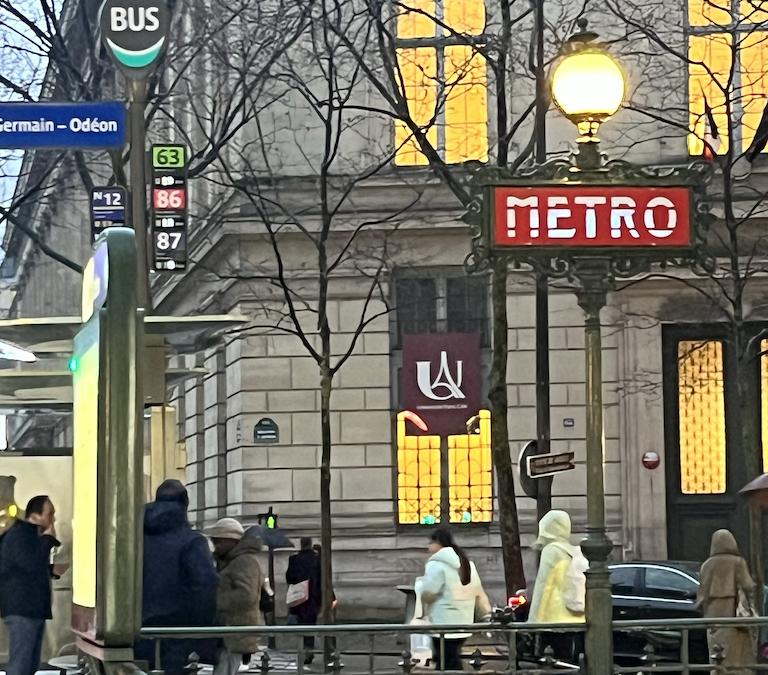
Station de métro PARIS
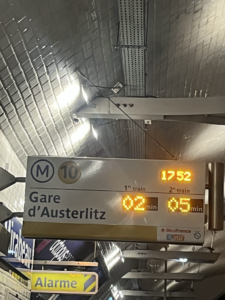
The Paris metro is renowned for its efficiency and convenience, with 16 lines covering 220 kilometers and serving over 300 stations. Operating from 5:30 AM to 1:15 AM daily, with extended hours on weekends and holidays, it’s a reliable way to explore the city.
Tips for Navigating Paris’ Transportation System
✅ Plan your route in advance using a map or app.
✅ Avoid rush hour travel to dodge crowded metros and buses.
✅ Stay vigilant with your belongings, especially in crowded areas.
Bus
With over 300 bus lines, Paris’ bus system is ideal for reaching destinations not served by the metro. Buses run from early morning until late at night, though traffic can be heavy during rush hour.
RER
The RER regional train system connects Paris with its suburbs, featuring five lines serving over 250 stations. It’s perfect for traveling beyond the city limits, using the same tickets and passes as the metro and bus.
Tramway
The tramway is a modern and efficient mode of transport, with nine lines covering 100 kilometers. It uses the same tickets and passes as the metro, bus, and RER, making transfers easy.
Driving in Paris
Driving in Paris can be challenging, but with preparation, it’s manageable. Here are some tips:
Rules of the Road
- Right-Side Driving: Cars drive on the right, with a general speed limit of 50 km/h (31 mph) within the city.
- Priority to the Right: Drivers must yield to vehicles coming from the right at intersections unless there’s a stop sign or traffic light.
- One-Way Streets: Pay attention to one-way streets and restricted zones.
Parking in Paris
Parking in Paris can be challenging. Options include:
- Street Parking: Metered parking spaces are available but can be expensive and hard to find.
- Car Parks: Numerous car parks offer hourly or daily rates.
- Park-and-Ride: Located on the city outskirts, these facilities offer easy access to public transportation.
Tips for Driving in Paris
- Plan your route in advance and use a GPS or map.
- Be aware of pedestrians and cyclists.
- Avoid rush hour traffic and stay patient when looking for parking.
Biking in Paris
Biking is a popular way to explore Paris, with an extensive network of bike lanes and bike-sharing programs. Paris aims to be the first bicycle-friendly city in Europe, with over 700 km of new bike lanes.
Bike-Sharing Systems
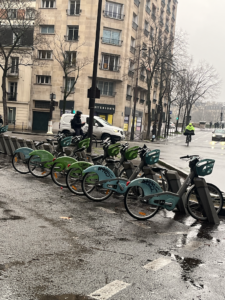
- Vélib’: With over 14,000 bikes at more than 1,200 stations, Vélib’ is Paris’ largest bike-sharing program.
- Lime: Offers electric bikes and scooters for rent.
Safety Tips
- Wear a helmet and safety gear.
- Stay aware of your surroundings and follow traffic rules.
- Always lock your bike when not in use.
Best Apps to Move in Paris and Suburbs
Navigating Paris is easier with reliable apps like RATP and Citymapper:
RATP
The official app of the Paris public transportation system provides real-time information on schedules and routes, a trip planner, disruption alerts, and allows ticket purchases directly through the app.
Citymapper
Citymapper offers real-time information on various transportation options, including metro, bus, RER, tramway, and bike-sharing programs. It provides multiple route options, estimated travel times, and costs, making it a comprehensive tool for navigating Paris.
The Grand Paris Express and Future Transport Expansions
Paris is undergoing a significant transformation in its public transportation network, with major projects like the Grand Paris Express and new tramway, metro, and RER lines set to redefine urban mobility. These developments aim to improve connectivity, reduce congestion, and promote sustainable transport solutions for the growing population of the Île-de-France region.
The Grand Paris Express
The Grand Paris Express is one of the most ambitious transport projects in Europe, designed to expand and modernize the existing metro network. This initiative includes the construction of four new metro lines and the extension of existing ones, totaling over 200 kilometers of additional track.
Key Features of the Grand Paris Express:
- New Metro Lines:
- Line 15: A circular line connecting the suburbs around Paris, enhancing accessibility without requiring travel through the city center.
- Line 16 & Line 17: Serving the northern and northeastern suburbs, these lines will improve access to key areas like the Charles de Gaulle Airport and business hubs.
- Line 18: Linking the southwest suburbs with Orly Airport, this line will enhance airport accessibility and business district connectivity.
- Extensions:
- Several existing metro lines, including Lines 11 and 14, are being extended to serve a broader area and accommodate increased passenger demand.
- Automated Trains:
- The new lines will feature fully automated trains, improving efficiency, frequency, and safety.
- Eco-Friendly Infrastructure:
- The project incorporates sustainable construction practices and energy-efficient designs to minimize environmental impact.
Future Tramway Expansions
The tramway network in Paris continues to grow, further integrating suburban areas into the city’s public transport system. Several new tramway lines and extensions are planned:
- Tramway T3 Extension: Expanding to cover more areas in the southern and eastern parts of Paris.
- Tramway T9 and T10: These new lines will enhance connectivity between suburban districts and existing metro or RER stations.
- Tramway T12 and T13: Offering better links to regional transport hubs and reducing reliance on cars in densely populated areas.
New RER Developments
The RER system, vital for connecting Paris to its suburbs, is also set for upgrades:
- RER E Extension: Extending westward to better serve areas like La Défense, the region’s main business district.
- Modernized Infrastructure: New signaling systems, updated rolling stock, and improved station facilities will enhance reliability and passenger experience.
Impact on Commuters
These developments are expected to:
- Reduce travel times by up to 30% for many suburban commuters.
- Ease congestion on existing metro and RER lines.
- Encourage sustainable travel, reducing reliance on private cars and lowering carbon emissions.
- Improve accessibility for residents and tourists, making Paris a more connected and efficient city.
With these upcoming changes, Paris is set to become one of the world’s most advanced urban mobility hubs, offering seamless, sustainable, and efficient transportation for all.
Update – October 2025
Since 2024, paper “T+” tickets can no longer be used on Paris buses.
To travel within Paris and the Île-de-France region, passengers must now validate their trip using an electronic travel pass:
-
a Navigo Easy card,
-
a Navigo Liberté+ account,
-
or a smartphone with the Île-de-France Mobilités app.
This change is part of the ongoing modernization of the Paris transport network.
Fares mentioned in this article are updated as of January 1st, 2025.